Cinematic Trends and Insights — Movie Industry Data Analysis
This project analyzes patterns that influence the success of films by studying relationships between financial performance, audience reception, and production characteristics. Using a dataset of 3,999 movies released between 1980 and 2001, the study examines how factors such as budget, box office revenue, ratings, runtime, genre, and audience engagement interact to determine commercial and critical success .
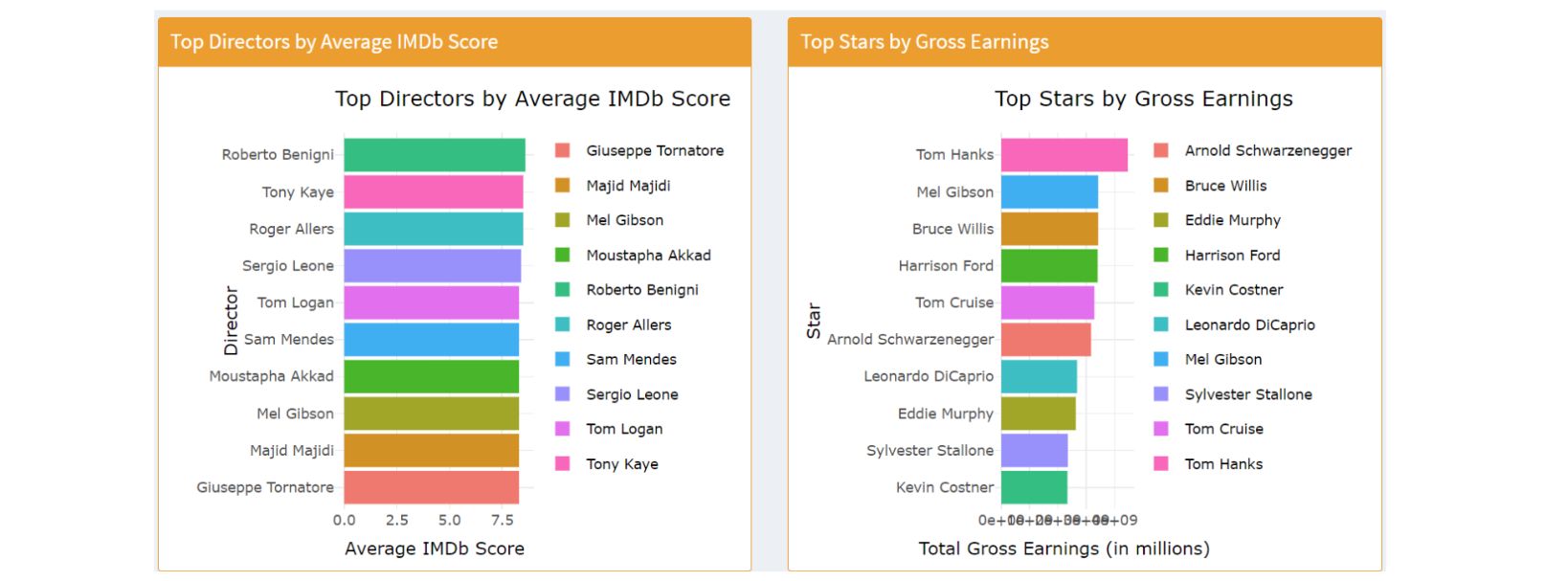
The analysis is implemented in R and supported by an interactive Shiny dashboard, allowing dynamic exploration of trends and correlations. Multiple visualization techniques — boxplots, bar charts, heatmaps, and time-series plots — are used to understand how production decisions and audience behavior affect profitability. The goal is not prediction but interpretation: revealing structural patterns inside the film industry and identifying what characteristics tend to accompany successful movies .
One key component of the study investigates relationships between variables. Correlation analysis shows that higher production budgets tend to produce higher box office revenue, and audience engagement (number of votes) strongly correlates with earnings. However, runtime shows only weak influence, meaning longer movies are not necessarily more profitable .
Genre-based analysis reveals an important industry insight: high production quantity does not imply high profitability. Drama and comedy films are produced most frequently, while family and animation films generate the highest average revenue . This indicates that audience demand and market targeting matter more than production volume.
Temporal analysis further shows steady growth of movie production from the 1980s to the late 1990s, alongside increasing budgets and revenues, highlighting expansion of the film market and the emergence of blockbuster-driven economics .
Overall, the project demonstrates how data analysis and visualization can uncover economic and behavioral dynamics within creative industries. By combining statistical exploration with interactive dashboards, it provides insights useful for researchers, studios, and investors seeking to understand what drives cinematic success.